
Glaucoma Specialists
in Provo, Utah
If you’ve been diagnosed with or are at risk for glaucoma, our specialists provide advanced diagnosis, treatment, and long-term management to help protect your vision for life.
Meet Dr. Michael Lloyd, M.D.
Fellowship-Trained Glaucoma Specialist
Glaucoma requires lifelong monitoring and expert management. Dr. Michael Lloyd focuses exclusively on diagnosing and treating glaucoma, helping patients preserve vision through every stage of care, from early detection and medical management to advanced laser and surgical treatment.
Dr. Lloyd completed fellowship training in glaucoma at the Casey Eye Institute at Oregon Health & Science University, one of the nation’s leading ophthalmology programs. He is a member of the American Glaucoma Society and provides both medical and surgical glaucoma care for patients throughout Utah Valley.
Co-Management with Dr. Bringhurst
Many glaucoma patients require ongoing monitoring in addition to specialty care. Dr. Bringhurst works closely with Dr. Lloyd to provide coordinated follow-up care, routine glaucoma management, and timely referral for specialist evaluation or surgery when needed.
Together, they provide a seamless approach to glaucoma care, ensuring patients receive the right level of treatment at every stage of the disease.


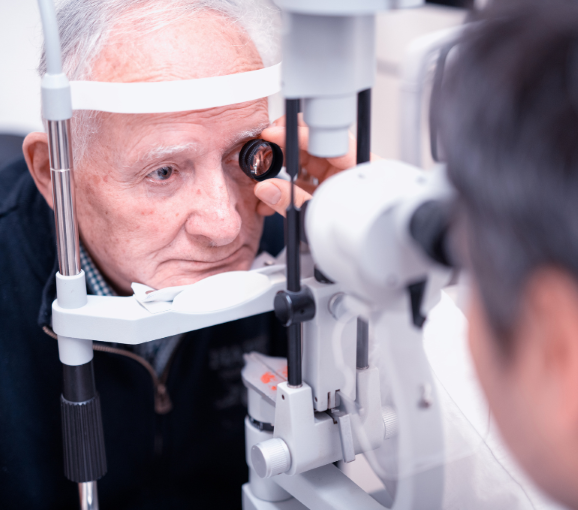
Comprehensive Glaucoma Care Under One Roof
- Fellowship-trained glaucoma specialist in Provo
- Advanced diagnostic testing (OCT, visual fields, pressure monitoring)
- Medical, laser, and surgical treatment options
- Seamless co-management within one practice
- Long-term monitoring and continuity of care
If you’ve been diagnosed with glaucoma or have been told you’re at risk, our team is here to help.
Complete the form below and we’ll contact you to schedule an appointment.
What Is Glaucoma?
Glaucoma is an eye disease that damages the optic nerve, the nerve that carries everything you see to your brain. In most cases, the damage is related to elevated pressure inside the eye, though not always.
The most common form is open-angle glaucoma, which develops slowly and silently over years.
Angle-closure glaucoma is less common but more urgent. It can cause sudden eye pain, nausea, and blurred vision, and needs immediate attention.
Normal tension glaucoma is a form where optic nerve damage happens even when eye pressure is within a normal range. It’s one reason why a thorough evaluation matters more than a single pressure reading.
Are You at Risk for Glaucoma?
Glaucoma can affect anyone, but your risk may be higher if you:
✓ Have a family history of glaucoma
✓ Are over age 60
✓ Are African American, Hispanic, or Asian
✓ Have elevated eye pressure
✓ Have diabetes or vascular disease
Many people with glaucoma have no symptoms until vision loss has already occurred. If you have one or more risk factors, scheduling an evaluation is recommended.
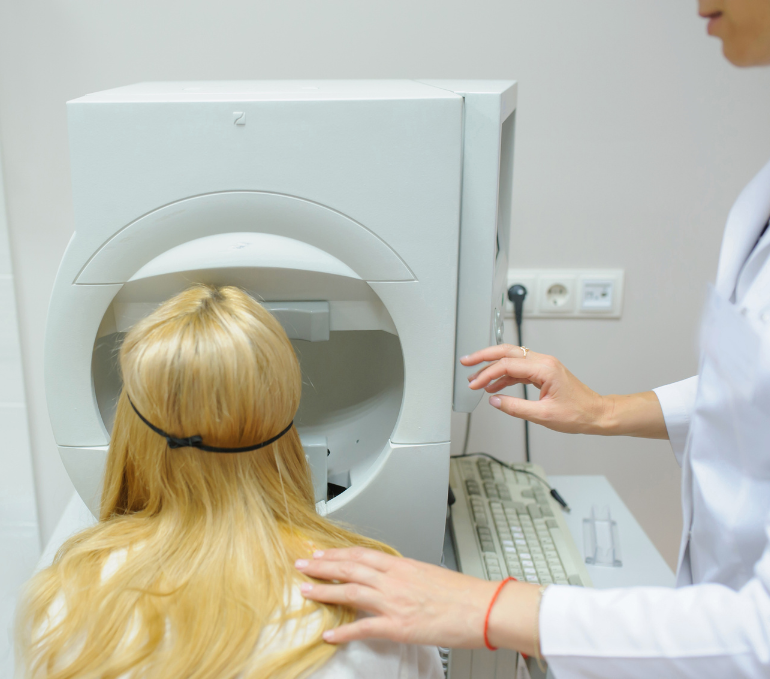
What to Expect at Your Glaucoma Evaluation
Your evaluation may include:
- Eye pressure testing (tonometry)
- Optic nerve evaluation
- Visual field testing
- OCT imaging
- Drainage angle evaluation (gonioscopy)
These tests allow us to detect changes early and monitor progression over time.
Glaucoma Treatment Options
While glaucoma cannot be cured, treatment can often slow or prevent further vision loss. The right treatment depends on the type and severity of your condition.
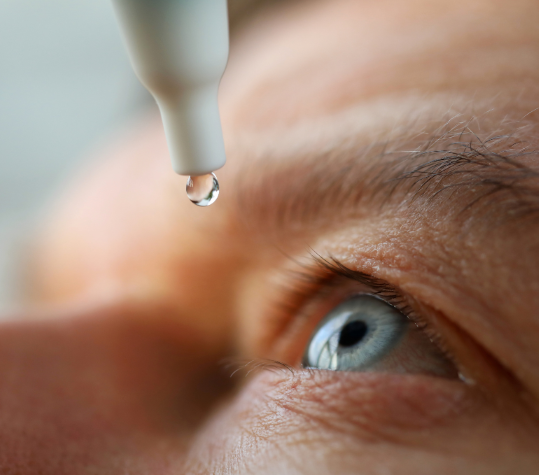
Eye Drops
As a first-line treatment, prescription drops lower eye pressure and work best with daily use; other options are available if needed.
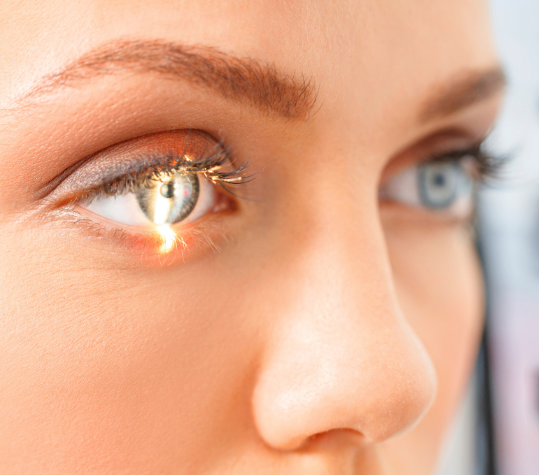
Laser Treatment (SLT)
A quick, in-office procedure that
improves drainage and can reduce
reliance on drops.
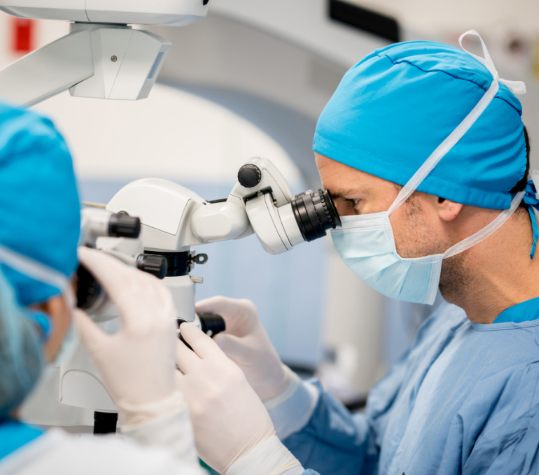
Surgical Treatment
For more advanced cases, options may include:
Trabeculectomy
Tube shunt procedures
Most people with glaucoma who stay consistent with their treatment and follow-ups keep driving, keep reading, keep doing what they love. That is what we are working toward with every patient we see.
About Glaucoma
Frequently Asked Questions
Most people with glaucoma do not go blind, especially when it is diagnosed early and properly treated. Vision loss typically occurs when the condition goes undetected or untreated for a long period of time. Following your treatment plan and attending regular checkups significantly reduces your risk.
Yes, family history is one of the strongest risk factors for glaucoma. If a parent or sibling has glaucoma, your risk is significantly higher. We recommend that close family members of glaucoma patients receive regular eye exams, even if they have no symptoms.
Normal tension glaucoma is a form of glaucoma where optic nerve damage occurs even though eye pressure is within the normal range. It is less common but still requires treatment. The goal is typically to lower eye pressure further from your personal baseline to protect the optic nerve.
Selective Laser Trabeculoplasty (SLT) is a quick, in-office procedure that helps improve fluid drainage in the eye. Most patients experience little to no discomfort. You may notice brief flashes of light during the procedure. It usually takes about 5 to 10 minutes per eye and requires little to no downtime.
This depends on how stable your condition is. Many patients are seen every 3 to 6 months, especially early in treatment or after medication changes. Once your glaucoma is stable, visits may be spaced further apart. Your doctor will recommend a schedule based on your specific needs.
Yes, open-angle glaucoma typically has no symptoms in the early stages. It does not cause pain, and vision changes happen gradually, often starting with peripheral vision loss. Routine eye exams are the only reliable way to detect it early.
Not necessarily. Elevated eye pressure (called ocular hypertension) increases your risk, but it does not always mean you have glaucoma. Diagnosis depends on multiple factors, including optic nerve health, corneal thickness, and imaging results. A full evaluation is needed to determine whether treatment is necessary.
In most cases, there are no early warning signs. Glaucoma develops slowly and painlessly, and vision changes are not noticeable until the condition is more advanced. That’s why regular eye exams, especially for those at higher risk, are critical for early detection.
Ready to Schedule Your Appointment?
If you’ve been diagnosed with glaucoma or have been told you’re at risk, our team is here to help.